Why we wait for the second touch at a range boundary
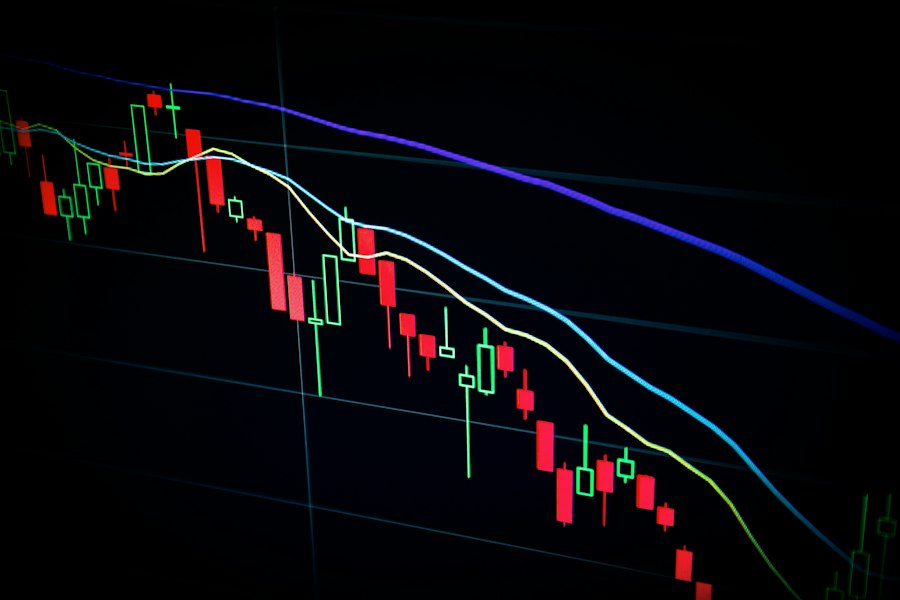
First touches at a freshly drawn boundary look tempting. Price reaches your line, prints a wick, and reverses — so it seems. Then you enter, price breaks through on the next candle, and your stop sits inside the range where mid-range traders get clipped.
At FlowRoute we teach patience for the second touch when structure allows. This is not universal — fast markets and news-driven gaps change the rules — but for the slow Asian-session ranges many of our participants trade, second-touch entries produce cleaner invalidation.
What the first touch tells you
The first touch confirms that price noticed your level. It does not confirm that other participants agree. Often the first rejection is a single actor testing liquidity before a genuine two-sided auction develops. Treat it as information, not invitation.
What changes on the second touch
When price returns to the same boundary and rejects again — ideally with a smaller swing into the level and a clearer wick — you know the edge has been contested twice. Stop placement beyond the boundary now has a defined invalidation: a close past the wick extreme of the second touch.
Measure the distance. Second-touch stops are frequently thirty to forty percent tighter than first-touch stops measured from the same boundary, which improves reward-to-risk on fade entries without changing target logic.
When we skip the second-touch rule
- News events within the next hour that can gap price through the boundary
- Ranges older than five sessions where the boundary has been tested four or more times (levels weaken with repeated tests)
- Instruments with wide spreads relative to range height — the stop beyond the boundary may exceed your risk budget regardless of touch count
Practice suggestion
Pull twenty historical boundary trades from your journal. Label each as first-touch or second-touch entry. Compare outcomes. Most traders find their first-touch entries cluster around breakeven or small losses while second-touch entries skew positive — not because the market rewards patience mystically, but because stops sit in structurally sounder locations.
Bring this exercise to a Wednesday Practice Lab. We run failed-break and second-touch drills on live charts twice a month.